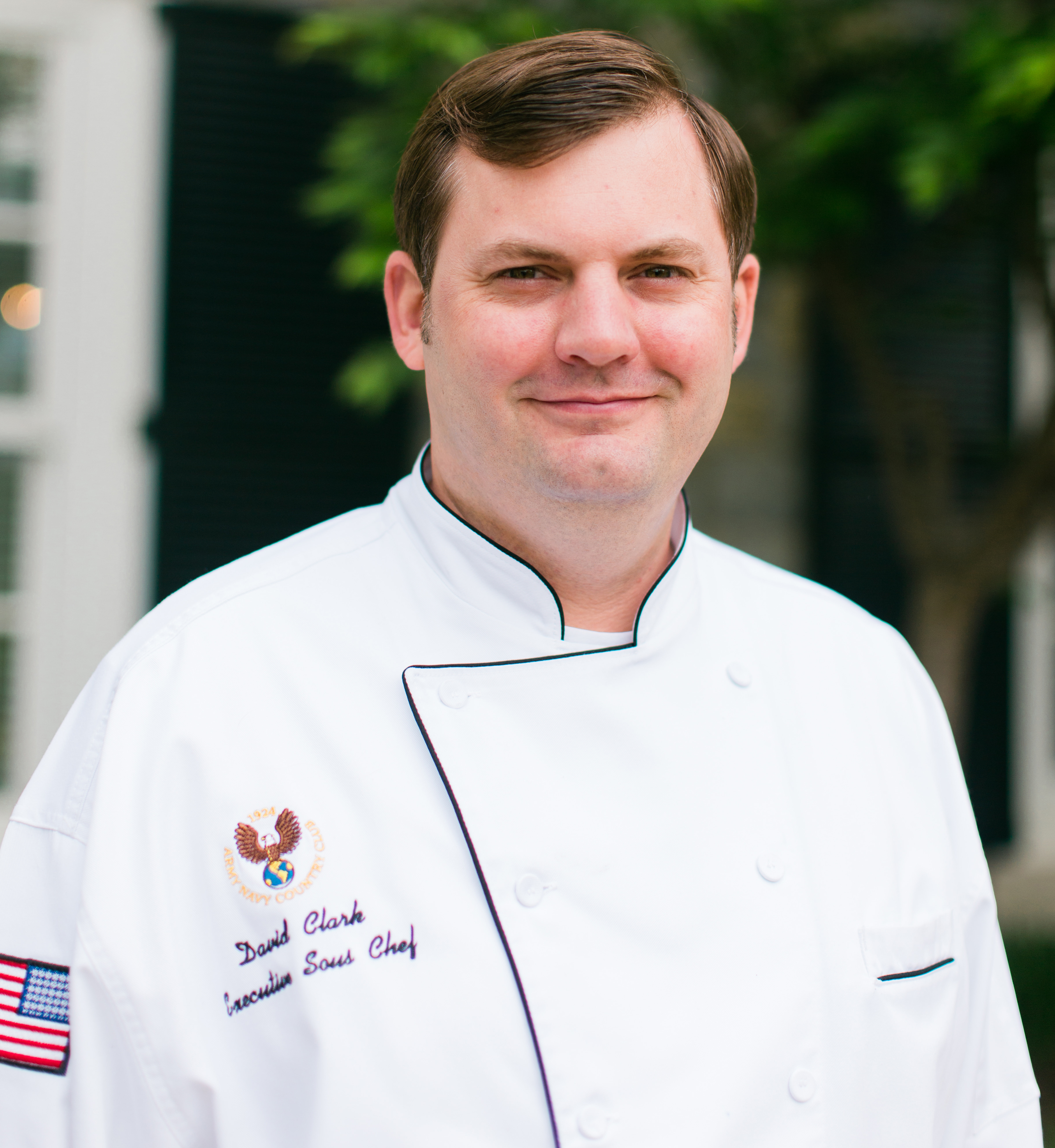
David Clark, Executive Sous Chef of Army Navy Country Club, explores how hiring military veterans might improve club kitchens while solving staffing woes.
Each year on Veterans day, I take some time to reflect on my time as an Engineer in the U.S. Army and my transition to working as a chef in a county club. This year, I was struck by the realization (and I’m embarrassed that it took me so long) that in light of the ongoing struggle to staff our kitchens properly, clubs should be doing more to actively recruit and retain veteran employees.
According to the U.S. Census Bureau, there are more than 3.3 million veterans who have served since 9/11. This group of veterans is diverse and educated, and “common occupations for this group of veterans include managers, truck drivers, police officers, and security guards.” The U.S. Military has produced millions of highly-qualified, mission-driven, and goal-oriented people who can perform almost any task asked of them. As these Americans leave the military for the private sector, leaders of culinary operations should seek to attract such members for their teams. Culinary leaders should also know a few strategies to manage and support veterans effectively.
Veterans are a natural fit for the culinary world. Sometimes we forget the culinary brigade system of kitchen structure is based off of the military. How amazing would it be to have a newly hired staff member already understand the importance of a chain of command and what it means to be mission ready (mis en place: Same meaning, just a different name).
Two of the executive chefs I have had the honor to work for are veterans, one of the French Army and one of the U.S. Coast Guard. They have seamlessly blended their military experience and knowledge of the culinary brigade system of kitchen structure to develop efficient and results-focused operations.
When hiring veterans, there are a few things you should know in order to best support these new employees and set them up for success. Veteran are trained to perform under extreme pressure and to always be mission ready. Military service men and women are also trained to exceed, rather than meet, expectations. They are committed to excelling at their chosen skill or duty and supporting the people around them.
Also, each branch of the military has its own code: these are often values like loyalty, duty, respect, selfless service, and honor (these happen to be the Army values – the code I lived by during my time in the military). Any veteran on your team will bring similar codes or values to your operation. It would be great to familiarize yourself with these values so you can better connect with possible employees. You will also be able to leverage a veteran’s commitment to these values when they are a part of your team.
Here are several other things you can do to ensure any veteran you hire is successful on your staff. First, make sure you have a clear mission or shared set of objectives. Whether a long-term strategy or short-term goal, it is helpful for leaders to clarify what the team is working towards.
Second, clarify the reporting structure as well as roles and responsibilities on your team. The chain of command is the law in the Army. Depending on your organization’s structure and culture, this may not be the reality. Some organizations are more horizontal or do not have a clear hierarchy. If this is the case, most veterans will be able to adapt, but it will be helpful for them to understand reporting structure, who is responsible for what, and who they should go to for direction or with questions.
You should also know that veterans may struggle as they make the transition to the civilian sector, or specifically, the culinary world. Personally, I was a bit let down at first with the private sector. I was trained to give everything for my fellow soldiers and the mission success at all cost. In my first job out of the Army, at a prestigious Country Club in the Washington, DC area, I sometimes felt like I was “just a regular person.” I found myself missing the high-stakes nature of my life in the Army. Of course, I came to learn that country club kitchens certainly bring their own stress and intensity and that although the setting was different, I needed to push myself to perform at the highest levels, just as I did in the military.
When I was transitioning to the civilian world, I was only aware of one program that helped veterans find jobs (called Helmets to Hard Hats). Today, there are several national and local organizations that help veterans find jobs. They can range from national efforts such as the Veteran Jobs Mission, a collective of corporations committed to hiring veterans, to more local, grass-roots efforts, like a DC bakery called Dog Tag Bakery that provides valuable work experience for veterans, military spouses and caregivers.
As Culinary leaders, we should be making it a priority to attract, hire, and support veterans. They are exceptional team members and will bring a mission- and values-driven mentality to your kitchen.