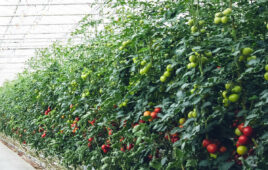
By replacing plant proteins for animal protein, club chefs can cater to the healthful diet and lifestyles of members and guests.
High protein diets are all the rage these days. A high protein diet can help build lean muscle when combined with exercise, and lean muscle helps to burn more calories throughout the day, which can also help with weight loss.
Protein is a powerhouse for our bodies. It’s an essential macronutrient our bodies need to build, repair, and maintain bones, muscles, and skin, among other things. Amino acids, the building blocks of protein, are classified into three groups: essential, nonessential, and conditional.
The body can not make essential amino acids on its own and as a result, they must come from food. Many animal products are “complete” sources of protein, meaning they supply all of the essential amino acids the body can’t make on its own. Red meat, poultry, dairy products such as eggs, cheese, whey, and milk are examples of these complete protein foods.
However, many of these high protein diets which emphasize such foods, though rich in protein, are also high in saturated fat, which can raise the risk of heart disease, diabetes, and other chronic diseases. Moreover, vegetarian and vegan diets are on steadily on the increase, so members and guests are looking for protein alternatives.
Here are some plant-based foods rich in protein that can cater to both meat-eaters and vegans alike:
Soy
Non-GMO (genetically modified) soy products are complete proteins and are among the richest sources of protein in a plant-based diet. Soy also contains calcium and iron, making them quality substitutes for dairy products, as well.
Consider firm or extra-firm tofu for stir-fry’s, added to burger mixes, float in soup, or sautee, broil and grill for “meaty” entree’s. Use soft and silken tofu in smoothies, sauces, and desserts.
Texturized soy protein (TSP) is a convenient, shelf-stable soy product made from soy flour and formed into small pieces about the size of browned ground beef. Simply reconstitute with an equal amount of hot, flavorful vegetable stock or water and add to soups, stews, and casseroles for a “meaty” bite.
Tempeh is a fermented soy product. It has a firm, chewy texture and can be steamed, sauteed, or baked.
Tofu in all its forms is mild-flavored. To achieve that meaty (umami) flavor of traditional meat dishes, marinate tofu, use spice rubs, and enhance the flavor profile with ingredients like miso, mushrooms, nutritional yeast, soy sauce, or Worcestershire.
Grains
Grains like quinoa (a complete protein), amaranth, millet, and bulgur are generally served as a side dish, but many grains can star as the main attraction by combining them with hearty roasted vegetables, beans, unique pesto, olives, and fresh herbs. They are also great to add to vegetarian soups and stews for added satisfaction.
Nuts and seeds
Almonds, chia, hemp, and sesame are protein-rich sources in tiny packages. Nut and seed butter can be used on sandwiches, stirred into hummus and baba ganoush, and can serve as the glue under Asian or Indian-inspired seafood appetizers, for example.
Legumes
Beans, lentils, peas, and peanuts are naturals for meat-free chili, soups, and stews. Use for vegetable and pita dips, as burgers, in fajitas, salsa, rice and beans, curries, or moussaka.
Brown and wild rice, though not as protein-packed as soy, nuts, and legumes, still add a fair amount of protein in whatever dish they’re featured. Think about adding rice to soups and stews, or featuring them in casseroles and stir-fry dishes.