- Age: 29
- Director of Culinary
- Saddle & Cycle Club, Chicago
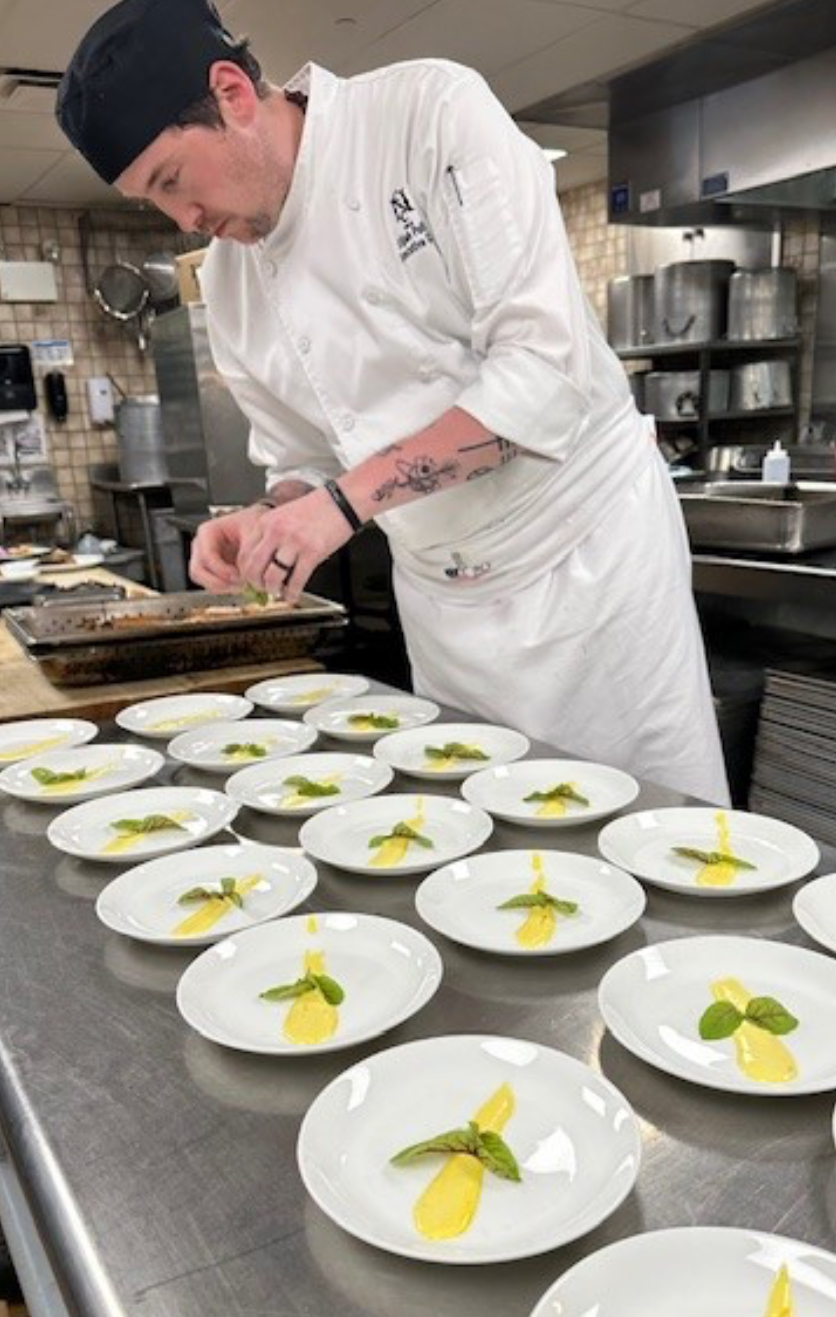
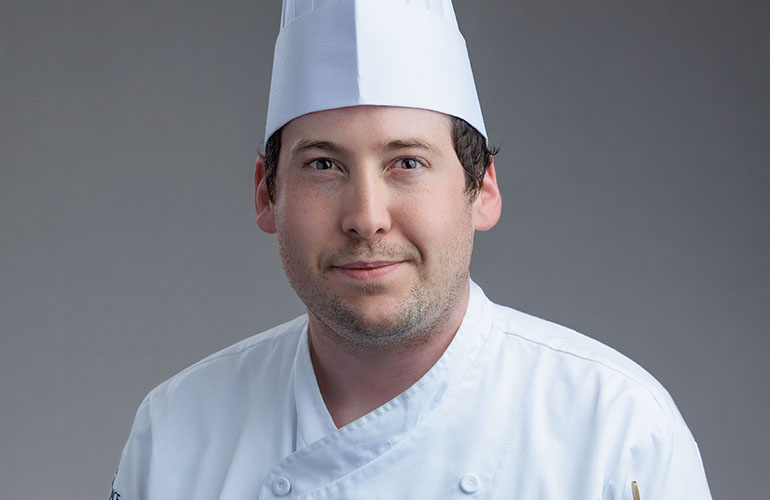
Elijah Pulley, CEC, accelerated quickly into leadership, stepping into an executive role before 30 and guiding a legacy program through transition. His path from diner cook in Peoria to leading a major Chicago club was fueled by relentless work ethic and a willingness to chase opportunity over comfort.
A severe traumatic brain injury forced him to rebuild the way he processes and learns, reshaping his approach to systems, organization, and mentorship. That experience refined his discipline and deepened his empathy as a leader. Pulley now challenges his team to move beyond the limits of their job descriptions, step into uncomfortable roles, and treat every setback as instruction.

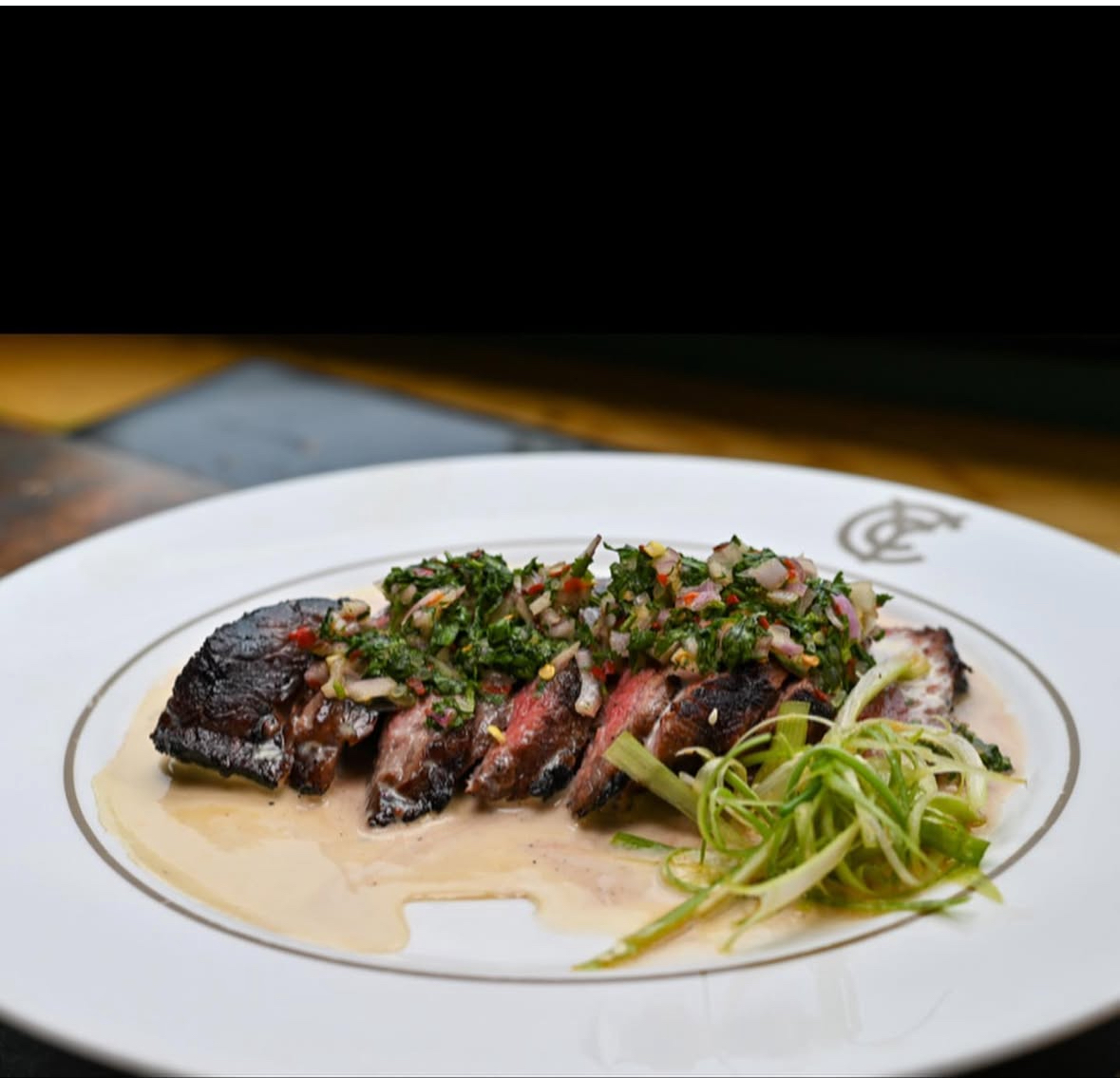
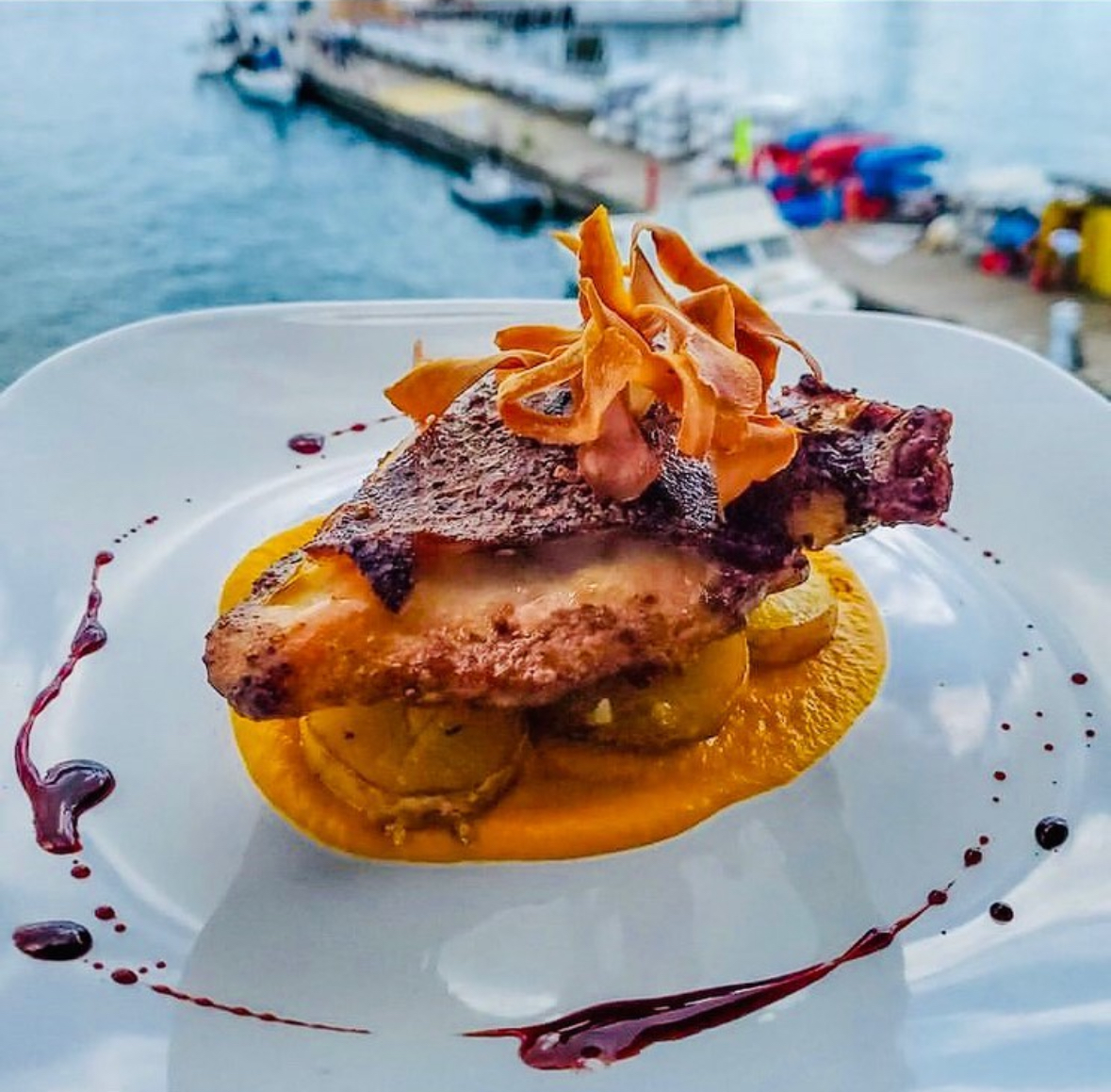
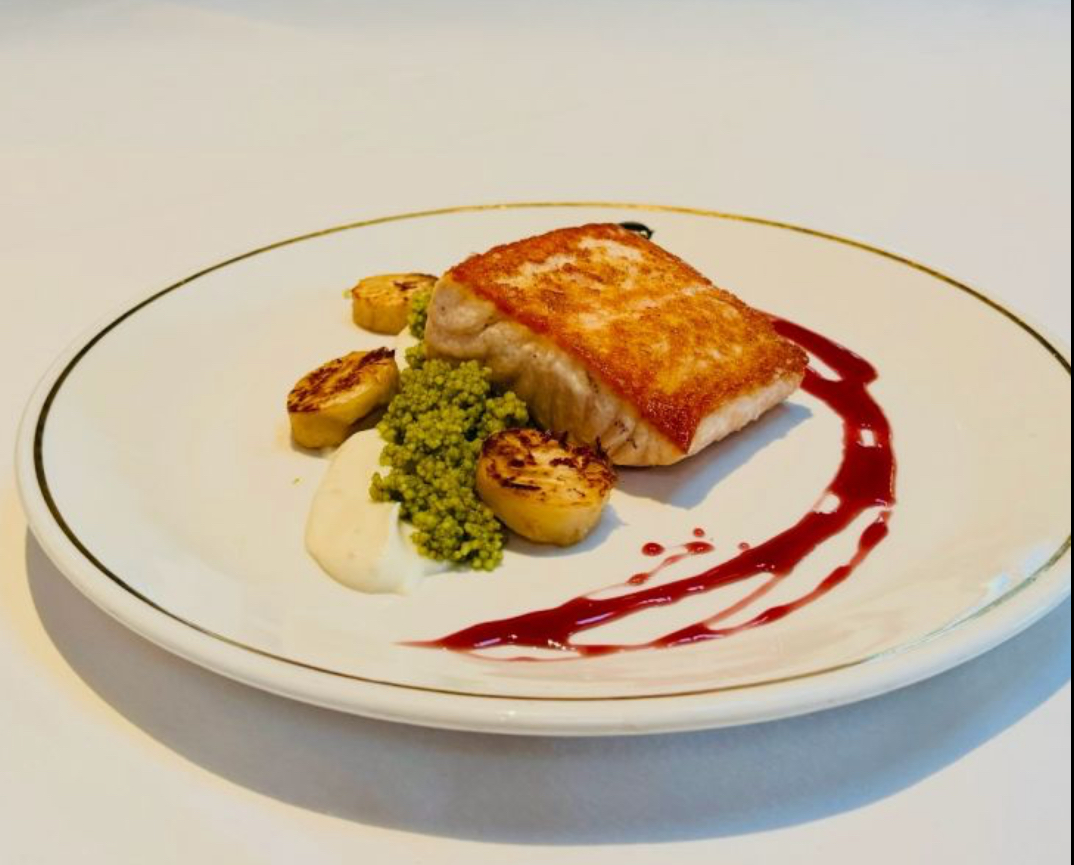

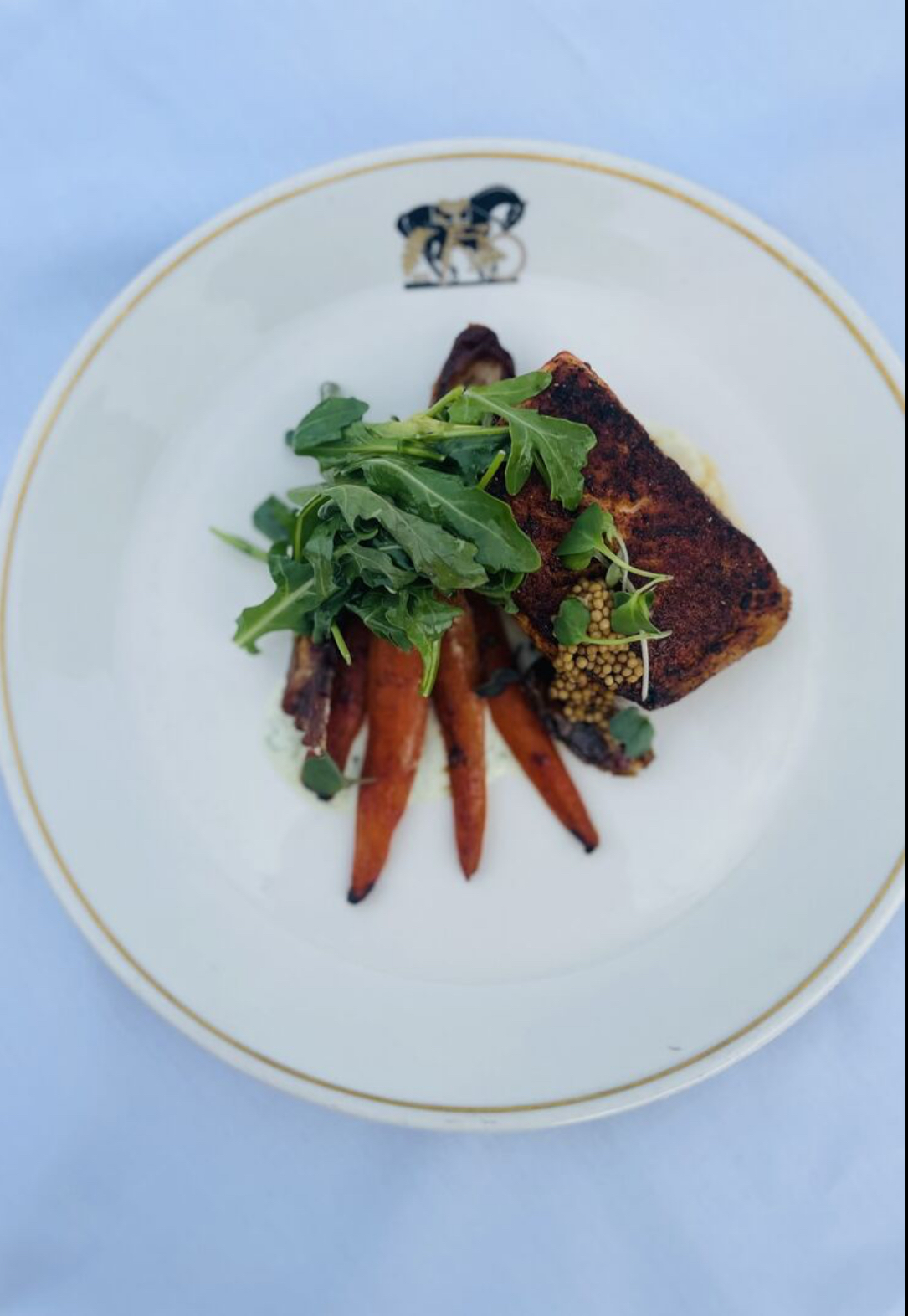
Club + Resort Chef (C+RC) What does it mean to you to be a C+RC 40 under 40 honoree?
Elijah Pulley (EP): Being recognized in this year’s 40 Under 40 class is a significant milestone, but more importantly, it is a moment of reflection. For the past few years, I have watched these lists come out, seeing mentors and peers I deeply respect. Chefs who have set, and will set, the standards for what it means to lead in the club world.
My own journey has taken me from the early days in Peoria working the egg station at a diner to leading the culinary team at Saddle & Cycle in Chicago. I realize that this recognition is not a trophy for what I have done. It is a platform for what I can do for others. My career is built on the hard shifts, the techniques, and the transition of legacy programs. I want to be in this class to represent the chefs who are focused on the future of our industry, building sustainable kitchen cultures, honoring club traditions, and proving that the next generation of leadership is defined by how many people we bring up the ladder with us. Most importantly, it allows me to continue the legacy my mentors have entrusted to me.
To me, being an honoree means the transition from being the one learning the ropes to being the one responsible for the standard. It is an acknowledgment that the trials from my early career served a purpose, not just to improve my own skill set, but to prepare me to lead a team through theirs. It means showing the young cook on the line that the path is worth the sweat. Ultimately, this is not about winning an award. It is about making sure I pay back everything my mentors invested in me by investing in the next generation.

-Madeline Heeter Grillo, CCM, Clubhouse Manager, Saddle & Cycle Club
C+RC: What quote summarizes your culinary or career philosophy?
EP: "I know I know nothing." -Socrates
C+RC: What inspired your career in the club and resort industry?
EP: My career in the club industry was truly a stroke of luck. In 2018, I was selected as the ACF Young Chef of the Month for an article I wrote on kitchen leadership. At the time, I was still in Peoria, working in a diner, slinging pancakes. My response caught the attention of Chef Garbin at the Union League Club of Chicago. He invited me up to see the club, and I ended up spending a whole day there working their homecoming event. It was truly unlike anything I had ever seen. On the train ride back to Peoria that night, I called the Chef at the Country Club of Peoria and started my journey into clubs right then. For the next six months, I lived a double life. I was a student with full-time and part-time jobs in Peoria during the week, and I would take the train to Chicago on weekends to intern. I stayed in a hostel for months until I earned theopportunity to become a Sous Chef at Edgewood Valley under Chef Mark Hayes. He helped propel me to where I am today, and that early grind is what still drives my work ethic and my love for clubs.




C+RC: Can you share a personal challenge you've faced in your career and explain how it has shaped you as a chef?
EP: The biggest challenge of my career and my life was recovering from a severe TBI. It didn't just sideline me; it completely changed the way my brain processes and learns new information. In the fast-paced, high-pressure environment of club kitchens, having your cognitive 'wiring' change is a hurdle that most people don't see, but you feel every single second. This injury forced me to rebuild my approach from the ground up. It’s the reason behind my ten focused fixes and my focus on incremental change. I had to learn how to be hyper-organized, how to simplify systems, and how to be intentional with my movements and my memory. Ultimately, this challenge made me a better chef and a much more empathetic leader. It taught me that everyone learns differently and that the standard isn't reached in one giant leap, but through a disciplined approach. It gave me a level of patience and a perspective on mentorship that I wouldn't have otherwise. I don't just teach my cooks what to do; I’ve learned to teach them how to think through the process. My TBI could have ended my career, but instead, it forced me to master the discipline required to lead at the highest level.
C+RC: What advice would you offer young chefs aiming to excel in the club and resort culinary industry?
EP: The best pieces of advice I ever received were:
- Be a circle, not a square.
When we are hiring, we are looking to fill a specific role with specific tasks. But a square only fits exactly where it's placed. I tell cooks to be a circle. Be the person who goes above and beyond the four corners of their job description. It’s a lot harder to find a circle, but when you find one, they are the ones who move the entire operation forward because they aren't limited by the edges of their role. - Chase opportunities, not money.
The money comes later. I lived in a hostel and took trains across the state because the opportunity to learn was worth more than any paycheck at the time. Focus on the chefs you can learn from and the kitchens that challenge you. The investment you make in your skill set now is what pays the highest dividends later. - Take on challenges.
Don't be afraid to step into a difficult situation or a role that seems over your head. Treat every situation, especially the failures, as a growth opportunity. If you take the job and you fail, you still walked away with a lesson you didn't have before. The only real mistake is staying comfortable. Run through the storm, stay humble, and keep learning.