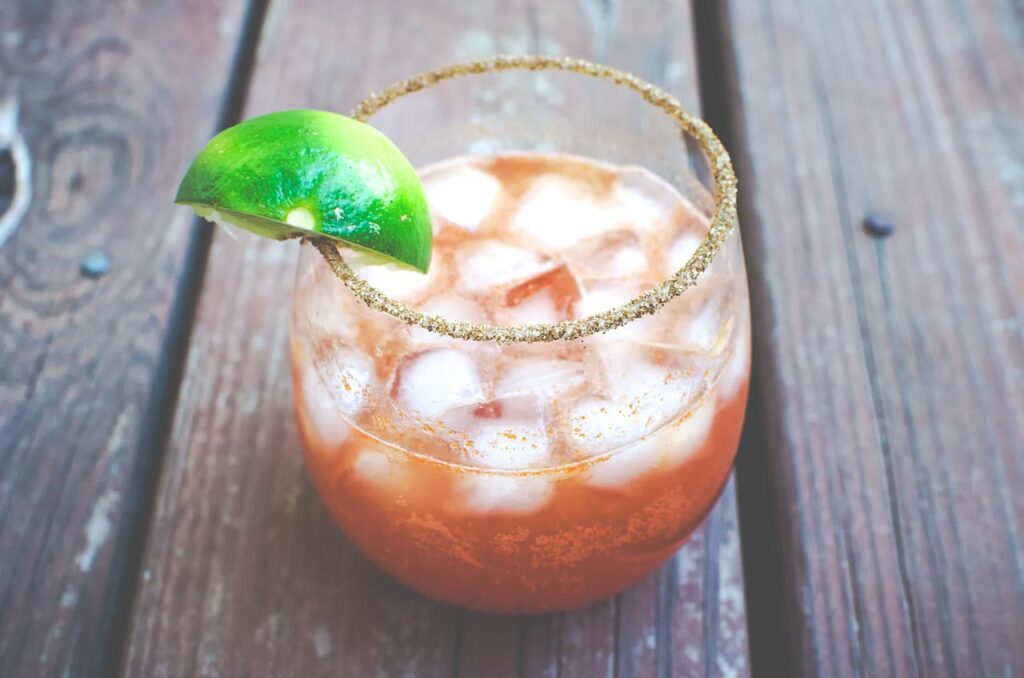
 In Mexico, you’ll likely see people sipping on cheladas and micheladas by the pool or when dining on patios. While both are Mexican beer cocktails that are refreshing and perfect for a hot day, a michelada is complex and flavorful, whereas a chelada is a simpler version of the michelada. While the two terms are sometimes used interchangeably, the difference between the chelada and a michelada is in the seasoning preparation.
A chelada only requires three ingredients and because it’s made using lager, it’s light, crisp, and a perfect cocktail to sip on when the weather is warm. A chelada is made by simply combining lime juice, salt and beer, and then served with a favorite rim. Traditionally, the Mexican beer for a chelada is a cerveza clara—light, bright, crisp, pilsner-like lager such as Modelo or Tecate, not a dark lager. About 1 1/2 limes per drink is typical, but the fruit should be as fresh as possible and chilled before juiced for the best flavor. A chelada is a citrusy and refreshing low alcohol cocktail that is exceptionally easy to make.
Like the cheleda, beer forms the base of a michelada, but you get a lot more than salt and lime with it. While a michelada might look like a Bloody Mary, this popular Mexican cocktail uses beer instead of vodka for a lighter taste and lower alcohol content. The recipe varies by region, but traditionally, a michelada is made with beer, tomato juice or Clamato, hot sauce, lime juice and salt. Micheladas are entirely customizable, so you might also find some with additional seasonings such as hot sauce, Worcestershire sauce, celery salt, black pepper, serrano peppers, chamoy powder, Maggi sauce, and soy sauce. You can use either light or dark Mexican lager, but most recipes call for amber beer in the style of Vienna lager. Dos Equis, Negra Modelo and Victoria are suitable brands, and their caramel notes work very well with the rest of the ingredients. You can also use Sol, Tecate or Corona. The michelada is a more complex drink than the chelada, and it is often preferred by those who want a more flavorful and spicy beer cocktail.
Like a margarita, a salt rim is essential to the overall flavor and the key to a good chelada and michelada. Using salt on the rim helps to bring out the sour flavors of the lime-infused beer. Traditionally plain rimming salt is used, however, contemporary versions are sometimes prepared with Tajín, a popular Mexican brand of chile-lime seasoning.
The chelada and michelada are both great beverages to enjoy with Mexican food, grilled meats, or any dish with a bit of spiciness to it. The drinks are a favorite with fish or shrimp tacos, guacamole, chips and salsa or queso, snacks such as aguachile and sopes, and other popular Mexican appetizers.
Chela is slang for ‘beer’ in Mexico, while helado means ‘ice.’ When you combine the two words, you get chelada, with the phrase mi chela helada meaning ‘my ice-cold beer.’ If you are looking for a refreshing drink for a hot summer day, a michelada might be the perfect choice. The addition of tomato juice, hot sauce and lime juice gives it a unique flavor. However, if you are looking for a lighter drink to enjoy during a brunch or a casual get-together, a chelada might be a better option. It’s a simple yet refreshing combination of beer, lime juice, and salt makes it a classic choice for any occasion.