 Registration is open for the 2026 Chef to Chef Conference, March 8-10 at The Broadmoor in Colorado Springs. Chefs and culinary leaders from clubs and resorts nationwide will gather for three days shaped around learning, connection, and practical ideas they can bring home to their teams.
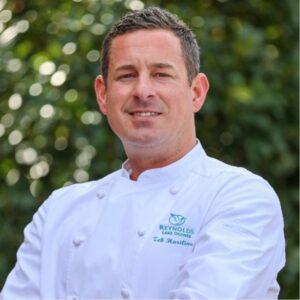
In his Chef to Chef session, Zeb Hartline, Director of Culinary Operations at Reynolds Lake Oconee, will break down what the first year in a new culinary leadership role actually looks like. He’ll outline the checkpoints that shape a strong start—the 30/60/90 plan, the one-year arc, and the signals that reveal where to focus early.
This session will focus on:
- How to identify low-hanging fruit that creates immediate member impact without major disruption.
- Where to focus first to build trust with staff, members, and leadership.
- How to increase team morale, engagement, and retention.
- How to earn staff and member buy-in for long-term success.
- Key differences between leading in member-owned clubs versus non-member-owned resorts.
- How to identify culinary program needs and clearly communicate ROI-driven proposals that resonate with GM’s, boards, and ownership.
“My hope and goal [is that] attendees will leave with actionable strategies they can use immediately,” says Hartline, “whether they are stepping into a new role next week or planning their next career move.”
For Hartline, this topic is personal.
“Stepping into a new leadership role in a club or resort environment is one of the most critical and vulnerable moments in a chef’s career,” he says. “The decisions made in the first year often define not just the success of the culinary program, but also the culture, morale, and long-term trajectory of the team.”
“For me,” he adds, “this isn’t a topic taken lightly. It’s about helping chefs succeed in environments where expectations are high and relationships matter.
At the conference, Hartline says he’s most looking forward to the opportunity for chef-to-chef connection with honest conversations with peers who understand the realities of our roles.
“Most chefs don’t always have the chance to be around others that understand and feel comfortable opening up about our day. This conference gives people that chance,” he says. “Chef to Chef conferences are important because they give chefs something we rarely allow ourselves: time to step out of the kitchen and work on our leadership, not just the food we create.”