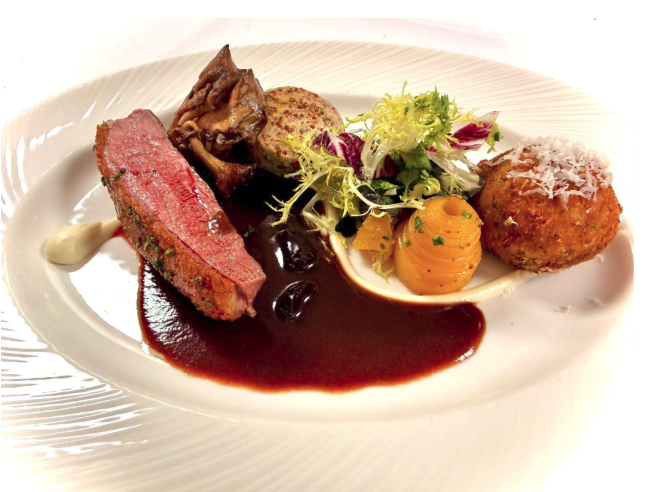
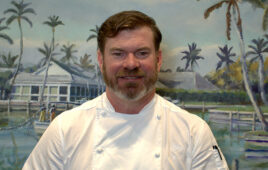
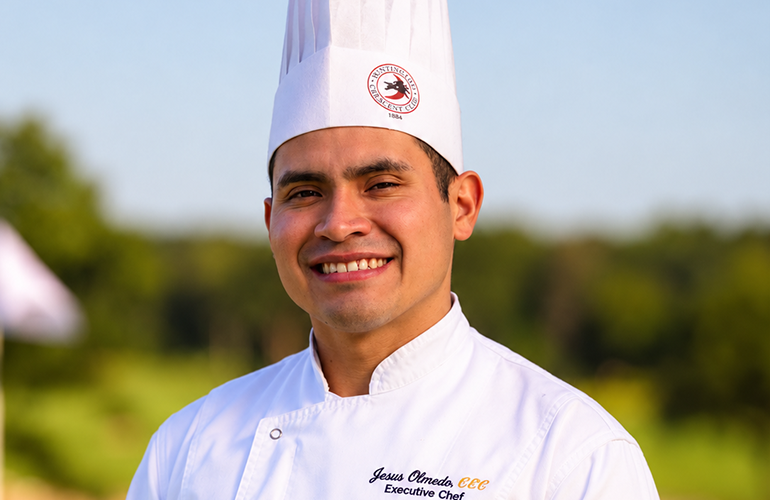
 Jesus Olmedo, CEC, Executive Chef of Huntington Crescent Club (Huntington, N.Y.) and a 40 Under 40 alum, leaned on his past experiences to create his Long Island Duo of Duck with Wild Mushrooms and Golden Beet recipe.
Participating on the Culinary Olympic Team in 2016 and 2020 shaped Olmedo into the chef he is today. Instead of looking at dish or plate from one component at a time, he now asks himself how each item on the plate contributes to the overall presentation of the dish. With familiar fall flavors, sweet golden beetroots, and tart green apples, Olmedo dives into what inspired this recipe and more in the Q&A below.
Club + Resort Chef (C+RC): What was the inspiration behind this dish?
Jesus Olmedo (JO): The inspiration for this dish comes from both the flavors of fall and experiences that have shaped me throughout my career. A major influence was my time competing on the Culinary Olympic Team in 2016 and 2020. That experience taught me to look at a plate differently to constantly ask how each component contributes to the overall harmony of flavor, texture, aroma and visual presentation.
That thought process has stayed with me ever since. Whether I am creating a dish for our dining room, developing a wine dinner or planning a special member event, I still approach food with that same discipline.
For this particular dish, I wanted to embrace the warmth and familiarity of fall while presenting those flavors in a more refined and innovative way. The goal was to create something that felt recognizable and comforting to our members, while still giving them an experience they might not necessarily expect.
C+RC: How would you describe the flavors and presentation of this dish?
JO: The flavors are designed to complement the richness of the duck and the fall spices used in its marinade. Golden beetroot provides sweetness, while green apple adds tartness and freshness. Lentils bring an earthiness that I have always enjoyed pairing with duck.
The corned duck leg is a technique I developed while preparing for the Culinary Olympics, inspired by the familiar flavors of corned beef and cabbage, which naturally led to the mustard glaze. The potato croquette, another component rooted in my Olympic experience, provides a crisp textural contrast.
With several technical elements on the plate, I prefer to let the duck remain the focus and rely on proper cooking to showcase it. The presentation follows the same philosophy—the components are brought together cohesively so they complement one another rather than appearing as separate ideas on the plate.
C+RC: What makes this dish successful? What about it makes you most proud?
JO: For me, a successful dish is one where no individual component feels unnecessary. Everything on the plate should contribute to the experience and work in harmony.
That philosophy is something I developed strongly during my Culinary Olympic experiences. Competition cooking forces you to examine every detail and ask why something belongs on the plate. Years later, I still use that exercise almost every day in my cooking.
What makes me most proud, however, goes beyond the technical execution. This dish represents a culmination of techniques, flavors and lessons that have been passed down to me by mentors and gathered through my own life and career experiences. Being able to take those influences, make them my own and then share them with our membership is incredibly rewarding.
C+RC: What was member response like to this dish?
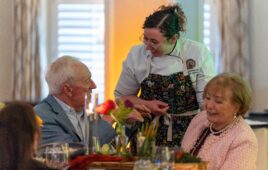
JO: The response from our membership was overwhelmingly positive, and that ultimately means the most to me.
As chefs, we can spend countless hours developing a dish thinking about technique, balance, presentation and every small detail but the real reward comes when it reaches the dining room. Seeing members genuinely enjoy something you created and hearing their excitement about the flavors makes all of that work worthwhile.
Those moments are a big part of why I do what I do. Food gives me an opportunity to share techniques and flavors that have been passed down through my mentors and shaped by my own experiences. When a dish connects with our members in that way, it becomes more than simply something we served. It becomes a shared experience, and that is what I find most rewarding about being a chef.